
 By
By 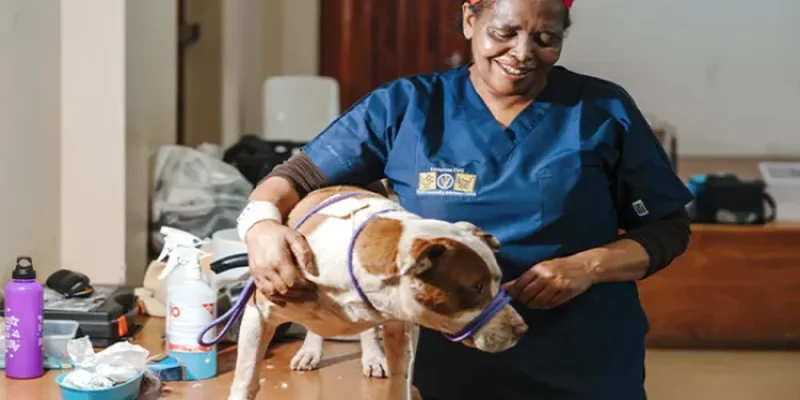
You see the strain up close. A rescue takes in a litter with coughs, fleas, and empty stomachs. A stray arrives after being hit by a car. A foster notices a dog is shutting down, not eating, not acting like itself. In those moments, rescue groups need more than goodwill. They need medical support that is fast, steady, and practical, including access to veterinary care in Port Neches, TX. That is where an animal hospital often becomes one of the most important partners a rescue has.
The strongest partnerships are not built on one emergency visit. They grow through shared systems, clear communication, and a real understanding of what rescue work looks like day to day. Animal hospitals partnering with rescue groups can lower medical risk, stretch limited budgets, and help more animals move safely into foster and adoptive homes. The work usually falls into four areas: urgent care, preventive medicine, operational planning, and emergency response.
Animal hospitals support rescue organizations with urgent and ongoing medical care
Rescue work rarely arrives in neat, scheduled blocks. It is messy, emotional, and expensive. One week may bring a healthy owner surrender. The next may bring parvo exposure, a pregnant stray, or a senior cat with untreated dental disease and kidney issues. If a rescue has no hospital relationship in place, every case becomes a scramble. Staff members call around for appointments, compare prices under pressure, and hope someone can squeeze the animal in.
A hospital partnership changes that. Rescue organizations often work with veterinary teams that can triage cases quickly, decide what needs same day treatment, and set a plan for animals that need follow-up care. That can mean wound treatment, fracture assessment, diagnostics, pain control, or isolation protocols for contagious illness. It also means someone is tracking the bigger picture instead of just reacting to the loudest crisis.
The stress drops when there is a known process. A foster can call one clinic. A rescue coordinator can send records to one team. The animal gets seen faster, and the rescue avoids the cost of delays. A simple skin infection left untreated can spread through a foster home. A mild cough can become a shelter-wide problem if intake procedures are weak. Veterinary guidance keeps small issues from turning into expensive ones.
Rescue partnerships with veterinary hospitals strengthen preventive care
Emergency medicine gets attention because it feels urgent, but preventive care is what keeps many rescues afloat. Vaccines, parasite control, spay and neuter scheduling, heartworm testing, dental checks, and intake exams create a baseline that protects both animals and people. Without that structure, rescues spend more later on avoidable disease and prolonged treatment.
Many animal hospitals help rescue groups build intake and treatment protocols based on age, species, exposure risk, and foster capacity. A kitten intake plan may include deworming, FVRCP vaccination timing, FeLV testing based on risk, and weight checks every week. A dog intake plan may include core vaccines, fecal testing, heartworm screening, and behavior notes that help spot pain-related issues before they are mislabeled as training problems.
This is where animal hospital rescue collaboration becomes practical, not abstract. The goal is not to create a perfect medical file for every animal on day one. The goal is to set standards the rescue can actually follow, then adjust when new information appears. That kind of consistency helps adopters trust the rescue, and it helps foster homes feel less alone.
Animal hospitals help rescue groups manage costs and medical decisions
Money sits underneath almost every rescue decision. You may have ten animals that need routine care and one that needs surgery. You may have to choose between advanced diagnostics now or stabilizing several animals first. Those choices are painful when every case matters.
A good hospital partner helps a rescue sort needs by urgency, outcome, and budget reality. That can include rescue pricing, bundled services for intake care, payment schedules, or referral guidance when specialty care is needed. It can also include frank conversations about prognosis. Not every treatment path is kind, and not every expensive option creates a good quality of life.
That honesty protects everyone. Rescue leaders can plan fundraising around real numbers. Foster homes get clearer expectations. Adopters receive better medical histories. The hospital team is not just treating one patient in isolation. They are helping the organization make sustainable choices so it can keep operating next month, not just survive this week.
Animal hospitals and rescue organizations prepare for disasters together
Disasters expose every weak point in animal care systems. Floods, fires, storms, hoarding seizures, and disease outbreaks can overwhelm a rescue within hours. Animals need transport, quarantine space, records, medication access, and a chain of command that does not collapse under stress.
Hospitals can support rescues by building emergency plans before there is a crisis. That may include vaccine and record protocols for displaced animals, surge capacity planning, coordination with local shelters, and guidance tied to federal emergency animal care frameworks. The USDA APHIS outlines emergency programs for animal care response, and its Emergency Support Function 11 resources show how animal and agricultural needs are addressed during disasters. Those systems matter when local groups are trying to move fast without losing control of medical safety.
Veterinary partnerships for rescue organizations are often tested hardest during emergencies. A rescue that already has intake standards, medical contacts, and communication routines will recover faster than one building the system in the middle of the event.
Practical differences between informal help and a true animal hospital partnership
| Area | Informal clinic use | Structured hospital partnership |
|---|---|---|
| Urgent cases | Case by case scheduling, inconsistent access | Defined triage process, faster decision making |
| Preventive care | Varies by foster or intake source | Standard protocols for vaccines, testing, and parasite control |
| Medical records | Scattered across emails, invoices, and foster notes | Centralized records and clearer adoption disclosures |
| Costs | Unpredictable pricing and rushed approvals | Planned budgeting, bundled services, clearer estimates |
| Disaster response | Reactive, limited coordination | Preplanned contacts, transport, quarantine, and surge support |
Clear steps make animal hospital partnerships easier to build
1. Map your rescue’s most common medical needs. List the issues that come up again and again, such as intake exams, URI treatment, spay and neuter, dental disease, skin infections, and emergency injuries. A hospital can help more effectively when your patterns are visible.
2. Create one point of contact and one records system. Confusion wastes time and money. Choose who approves treatment, who sends records, and where invoices and lab results live. Even a simple shared system can prevent missed vaccines, duplicate testing, and foster frustration.
3. Build a written emergency plan with your animal hospital. Decide where animals go after hours, how contagious cases are handled, what your transport chain looks like, and how many animals your network can safely absorb during a crisis. You do not want to answer those questions while animals are already arriving.
When a rescue and an animal hospital work well together, animals get care sooner, foster homes get better support, and hard decisions become less chaotic. That kind of partnership does not remove the heartbreak from rescue work, but it does give you a steadier path through it.
If you are building or improving a rescue network, start with the medical relationship. A reliable animal hospital can help turn constant crisis management into a system that protects more animals and the people caring for them.






Comments