
 By
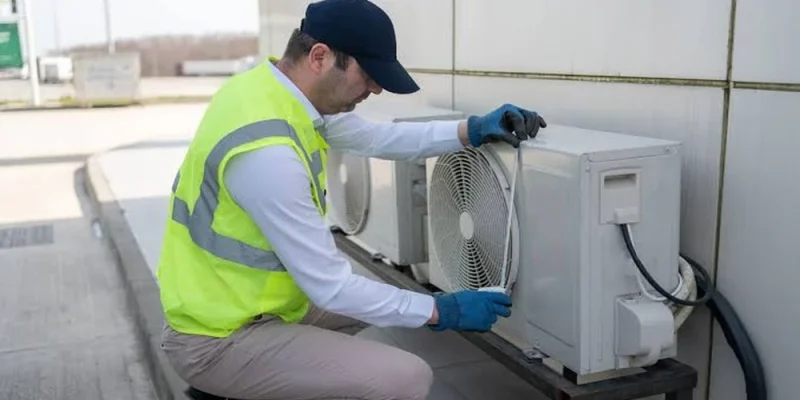
Indoor air quality can affect daily comfort, sleep, and respiratory health, yet it is easy to overlook when a home’s heating and cooling system appears to be working normally. Dust accumulation, clogged filters, poor ventilation, and excess moisture can allow unwanted particles and pollutants to build up indoors. Regular HVAC maintenance helps address these issues before they become persistent problems.
For homeowners concerned about cleaner air, routine system care is an important starting point. Professional inspections, appropriate filtration, and effective airflow management can help reduce indoor pollutants. Homeowners considering indoor air quality services in Riverside, CA, should also consider factors such as seasonal dust, wildfire smoke, ventilation, and humidity when deciding which improvements their homes may need.
How HVAC Maintenance Supports Better Indoor Air Quality
Heating, ventilation, and air conditioning (HVAC) systems do more than regulate temperature. They circulate indoor air, filter some airborne particles, and, when properly designed, help introduce outdoor air to dilute indoor contaminants. However, these functions depend on the condition of the equipment and the home’s ventilation arrangements.
When filters become clogged, airflow can decrease, and the system may struggle to circulate air effectively. Dirty components, blocked returns, or leaking ductwork can also affect performance. Routine maintenance helps identify these problems, allowing homeowners to address issues that may contribute to dust accumulation, uneven airflow, or inadequate ventilation.
Although maintenance supports cleaner indoor air, it does not remove every pollutant. HVAC servicing works best alongside source control, appropriate ventilation, and cleaning practices that limit the amount of dust and contaminants entering the home.
Common Indoor Air Problems That Maintenance Can Help Address
Indoor pollutants come from outdoor air, household activities, pets, furnishings, and building materials. Understanding these sources helps homeowners see how HVAC maintenance can improve indoor air quality.
Dust, pollen, and pet dander can circulate when filters are dirty or unsuitable. Outdoor pollution and wildfire smoke can also enter through windows, gaps, and ventilation openings. In Riverside, dry conditions and seasonal smoke make proper filtration especially important.
Moisture from condensation, blocked drains, and leaking ducts can encourage mold growth, while excess humidity may cause musty odors. Cooking fumes, cleaning products, and some building materials can also release gases that standard particle filters may not remove.
Regular HVAC maintenance can identify equipment-related issues, but persistent moisture, chemical odors, or suspected mold may require further investigation.
Essential HVAC Maintenance Tasks for Cleaner Air
Regular HVAC maintenance helps improve airflow and supports effective filtration. Homeowners should check and clean or replace air filters according to manufacturer recommendations, checking them more often in homes with pets or heavy dust. Always use a filter compatible with the system.
Professional maintenance includes inspecting components, checking airflow and duct connections, and examining drainage for potential issues. Keep return-air grilles and supply vents unobstructed to maintain proper circulation.
Schedule maintenance based on manufacturer guidance, local conditions, and system usage, ideally before periods of heavy heating or cooling demand.
The Importance of Filtration, Ventilation, and Humidity Control
Routine maintenance cannot compensate for every limitation in a home’s air management system. Sometimes, improving indoor air requires a closer look at filtration, ventilation, and moisture levels.
Choosing Appropriate Air Filtration
Filters are designed to capture airborne particles, but their effectiveness varies. MERV, or Minimum Efficiency Reporting Value, indicates how effectively a filter captures particles across specified sizes. A higher rating generally means greater particle capture, but it can also increase airflow resistance if the equipment is not designed for that filter.
A technician can help determine whether an upgraded filter is compatible with the existing HVAC system. Whole-home filtration or a separate air purifier may be worth considering when ordinary filtration does not adequately address specific concerns. The right option depends on the pollutants involved and the household’s needs.
Maintaining Ventilation and Balanced Humidity
Ventilation helps remove indoor contaminants by bringing in outdoor air and exhausting stale air. However, during wildfire smoke events or periods of poor outdoor air quality, bringing in untreated outdoor air may introduce additional particles. Appropriate filtration and ventilation settings can help balance these competing concerns.
Humidity also deserves attention. Excess moisture encourages mold growth, while overly dry air can cause discomfort and irritation. Monitoring indoor conditions, repairing leaks, and maintaining cooling-system drainage can help. Persistent humidity problems may justify professional assessment and, where appropriate, dedicated humidity-control equipment.
Warning Signs That Your HVAC System Needs Attention
Certain changes can indicate that a system needs maintenance or that indoor air quality requires further assessment. Watch for:
- Persistent dust: Surfaces become dusty soon after cleaning, or visible buildup appears around supply vents.
- Unusual odors: Musty smells, burning odors, or persistent chemical-like smells develop when the system operates.
- Weak airflow: Some rooms receive noticeably less air, or the system struggles to distribute conditioned air evenly.
- Visible moisture: Water collects near indoor equipment, condensate drainage appears blocked, or damp areas develop around ductwork.
- Worsening indoor discomfort: Occupants notice recurring irritation or allergy-like symptoms that seem more noticeable at home.
These signs do not automatically mean the HVAC system is responsible. Cleaning habits, outdoor pollution, plumbing leaks, and other building conditions may contribute. Burning or electrical odors warrant prompt attention, and suspected carbon monoxide exposure requires immediate evacuation and emergency assistance.
When Professional Indoor Air Quality Assessment Is Worthwhile
If regular maintenance does not resolve persistent dust, odors, or ventilation concerns, a broader assessment may be appropriate. A qualified professional can inspect the HVAC system, evaluate accessible ductwork, review filtration, and identify possible ventilation or humidity issues.
Depending on the findings, recommendations might include duct sealing, targeted duct cleaning, upgraded filtration, air purification, or improved ventilation. These options serve different purposes, so homeowners should ask what problem each proposed measure addresses. Duct cleaning, for example, is not automatically necessary for every home; visible contamination, substantial debris, or other specific concerns can help determine whether it is justified.
For households seeking indoor air quality services in Riverside, CA, an assessment can help distinguish routine maintenance needs from problems requiring additional equipment or repairs. Persistent respiratory symptoms should also be discussed with a healthcare professional rather than attributed solely to indoor air conditions.
Final Thoughts
Regular HVAC maintenance supports healthier indoor air by helping preserve airflow, maintain filtration performance, and identify problems involving drainage, ductwork, and equipment condition. However, cleaner air also depends on controlling household pollutants, managing moisture, and providing appropriate ventilation. Addressing these factors together offers a more practical approach than relying on the HVAC system alone.
Homeowners should follow their equipment’s maintenance recommendations, check filters regularly, and seek professional advice when odors, dust, moisture, or airflow problems persist. If these concerns remain unresolved, indoor air quality services in Riverside, CA, may help identify suitable filtration, ventilation, or humidity-control improvements for the home.









Comments