
 By
By 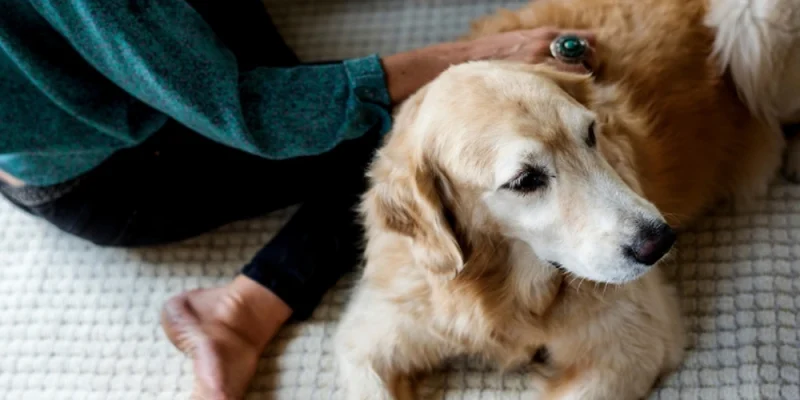
You notice the small changes first. Your dog takes longer to stand up after a nap. Your cat stops jumping to the windowsill she has claimed for years. Meals take more coaxing, walks get shorter, and the look in your pet’s eyes shifts from bright and busy to tired and careful. That stage can feel heavy, because you love them, you know they are aging, and you do not want to miss something that could help. Talking with a veterinarian in Gainesville, FL can help you understand what changes are part of aging and what may need medical attention.
A veterinary hospital can make this stretch of life easier, safer, and more comfortable. Good senior care is not only about treating disease. It is about pain control, mobility, appetite, sleep, mental sharpness, and the routines that still make your pet feel like themselves. How veterinary hospitals improve quality of life for senior pets comes down to early detection, steady monitoring, and treatment plans that fit your pet’s body and your daily life.
Senior pet care works best when small changes are taken seriously
Aging rarely arrives all at once. It tends to show up as little losses. A slower climb up the stairs. More accidents in the house. Less interest in toys. Bad breath that seems stronger than before. Many owners tell themselves it is normal aging, and some of it is, but pain, arthritis, kidney disease, dental disease, hearing loss, thyroid problems, and cognitive decline can hide inside those “normal” changes.
That is where a veterinary hospital helps most. Senior exams are built to catch patterns early. A veterinarian looks beyond the obvious symptom and asks what is driving it. If your older dog has stopped greeting you at the door, the issue may be joint pain, heart disease, vision loss, or confusion. If your senior cat has become withdrawn, the cause may be arthritis, high blood pressure, kidney disease, or chronic dental pain. The point is simple. Older pets often suffer quietly, and careful medical evaluation gives that silence a voice.
The American Veterinary Medical Association’s senior pets guide recommends regular wellness visits, lab work, and close attention to behavior changes because early care often improves comfort and function. That matters when you are trying to protect not just lifespan, but the quality of each day.
Veterinary hospitals support aging pets with targeted medical care
Improving life for aging pets often starts with better pain management. Arthritis is common in older pets, yet many owners do not realize how much it changes mood, sleep, and movement. A pet in pain may seem grumpy, clingy, restless, or unusually quiet. With the right exam, imaging when needed, weight guidance, joint support, medication, and home adjustments, a pet that seemed “old overnight” may become more engaged again.
Senior care also depends on testing that fills in the blanks. Bloodwork, urinalysis, blood pressure checks, dental exams, and sometimes ultrasound or X-rays can uncover disease before it becomes a crisis. That can mean treating kidney issues before dehydration sends your cat to the emergency room, or managing heart changes before your dog starts collapsing on walks.
Some hospitals also offer newer approaches for age-related decline. Cornell recently highlighted work focused on helping older dogs stay active and comfortable, showing how aging dogs can increase their quality of life with better support for mobility and function. That reflects a larger shift in veterinary medicine. Senior care is no longer limited to reacting when things get bad. It is about preserving good days for as long as possible.
Daily quality of life improves when care plans match real life
The best treatment plan is the one you can actually follow. If medication needs to be given three times a day and your pet fights every dose, that plan may fail even if the medicine is right. Veterinary hospitals help by adjusting the plan to fit your home. That might mean flavored medication, fewer doses, diet changes, ramps, orthopedic bedding, nail traction support, or a feeding strategy for pets with nausea or dental pain.
That practical side matters more than people expect. A senior pet with mild arthritis and extra weight may improve with pain control and a safe exercise plan. A pet with cognitive decline may need a more predictable routine, night lights, and help with anxiety. A cat with kidney disease may need hydration support and food changes that reduce nausea. This is where senior pet quality of life care becomes real. It is not one big fix. It is a series of smart adjustments that lower stress and increase comfort.
Home observation and veterinary care work better together
| Concern | What you may see at home | How a veterinary hospital helps |
|---|---|---|
| Arthritis and pain | Slow rising, limping, avoiding stairs, less play | Joint exam, pain control, weight plan, mobility support |
| Kidney disease | More drinking, weight loss, poor appetite, vomiting | Bloodwork, urinalysis, blood pressure checks, diet and fluid guidance |
| Dental disease | Bad breath, dropping food, pawing at mouth, less eating | Oral exam, dental cleaning, extractions, pain relief |
| Cognitive decline | Pacing, staring, nighttime waking, confusion | Rule out medical causes, behavior support, medication options, routine changes |
| Heart or blood pressure issues | Coughing, tiring easily, fainting, vision changes | Imaging, blood pressure monitoring, medication, follow-up care |
Owners see the day-to-day truth. Veterinary teams connect those details to medical causes. That combination is what often protects a senior pet from avoidable suffering. A few notes on appetite, bathroom habits, sleep, movement, and behavior can change the whole appointment.
Three steps you can take right away for your senior pet
1. Track changes for two weeks. Write down appetite, water intake, bathroom habits, sleep, movement, and any new behavior. Video helps. A short clip of stiffness, pacing, coughing, or confusion gives the veterinarian much more than memory alone.
2. Schedule senior wellness testing. If your pet is older and has not had a recent exam, book one. Ask about lab work, blood pressure, dental health, pain assessment, and weight review. Veterinary hospital care is most useful before a problem turns urgent.
3. Make the house easier to navigate. Put food, water, and litter boxes or potty access where your pet does not have to struggle. Add rugs for traction. Use ramps or steps if needed. Raise bowls if your pet is bending painfully. These small changes often improve comfort fast.
Senior pets do better when comfort becomes the goal
You do not need to solve every part of aging at once. You need a clear picture of what your pet is feeling, what is treatable, and what changes will help them move through the day with less pain and more ease. That is how veterinary hospitals improve quality of life for senior pets. They catch what you cannot see, confirm what you have been worrying about, and turn vague decline into a plan.
Your pet has given you years of trust. Senior care is one way to return it, with attention, relief, and steady support through this stage of life.








Comments