
 By
By 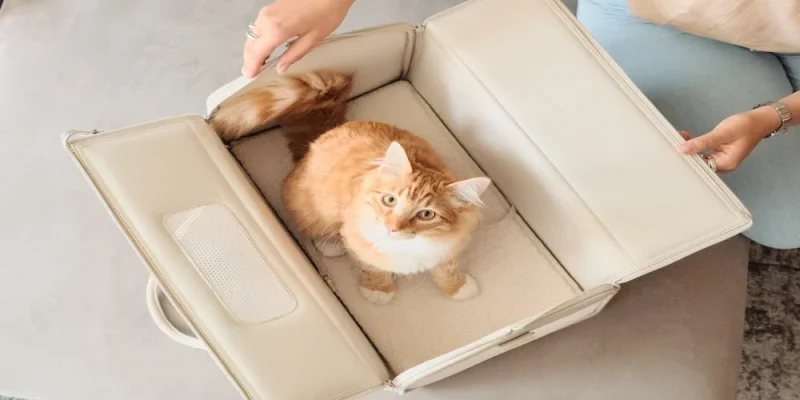
You can love your cat deeply and still dread the moment the carrier comes out. Your cat sees it, freezes, bolts under the bed, or starts that low warning growl that says the next few minutes will be rough for both of you. By the time you get the door shut, everyone is stressed, and the trip to the veterinary clinic in Ozark, AL has not even started.
That reaction is common. Cats do not usually hate the carrier itself. They hate what it predicts. Strange motion, car rides, unfamiliar smells, barking dogs, and being handled when they already feel trapped can turn a simple outing into a full body panic response. The good news is that carrier fear can change. Small, steady steps help your cat build a different association, and that is the heart of 7 Ways To Help A Cat Carrier Feel Less Scary.
Cat carrier training works when the carrier stops meaning bad news
Many cats only see the carrier a few times a year, and each time it leads to something they would never choose on their own. That pattern teaches them fast. If the carrier appears only before a car ride or appointment, your cat learns that the safest move is to run.
This is why forcing the issue often backfires. You get the cat inside this time, but the memory sticks, and next time the resistance is stronger. A better path is to make the carrier part of normal life. Leave it out in a quiet room, door open, with a soft blanket that smells like home. Toss a treat inside when your cat is not looking for it. Let them discover it on their own terms. Curiosity is easier to build than courage.
That single change often starts making a cat carrier less scary. The carrier shifts from trap to furniture. It becomes a place where nothing bad happens most of the time, which is exactly what your cat needs.
The right setup can reduce stress before you leave home
Not all carriers feel the same to a cat. A hard sided carrier with both a front door and a top opening is usually easier for handling. You are not trying to push a frightened cat through one narrow entrance, and your veterinary clinic can often examine your cat more gently when the top comes off.
Comfort matters too. A sliding plastic floor can feel unstable, and that alone can make a nervous cat fight harder. Add a towel or nonslip bed. Place familiar scent inside. If your cat likes your worn T shirt, use that. Smell is grounding for cats in a way many people do not realize.
Covering the carrier with a light towel during travel can also help. Visual overload raises stress. A simple cover blocks sudden movement and gives your cat a more sheltered feeling. The CDC travel guidance for pets also supports secure carriers during travel, which protects both pets and people.
Short practice sessions teach your cat that motion does not always lead to danger
Getting your cat to step inside at home is one step. Keeping them calm once the carrier moves is another. Some cats stay relaxed until the handle lifts. Others panic when the car engine starts. That does not mean training failed. It means you found the next trigger.
Practice in layers. First reward your cat for entering. Then close the door for one second and open it. Then lift the carrier and set it down. Then walk across the room. Then sit in the parked car for a minute. Then take a very short drive around the block. Each step should be brief enough that your cat can recover before fear spills over.
This is where people often rush because the appointment date is coming. If time is short, do what you can without pushing your cat to the edge. Even two or three calm rehearsals can help. For more practical travel basics, these tips for traveling with your pet are useful.
Treats, scent, and timing can make cat travel prep easier
Food can help, but only if your cat is willing to eat when mildly stressed. High value treats, a lickable snack, or a small meal served near or inside the carrier can build a stronger positive link. If your cat stops eating the second the carrier appears, go back a step and reward for simply being near it.
Synthetic feline pheromone sprays can help some cats when used on bedding or inside the carrier ahead of time. Spray first, then let it dry before your cat goes in. A strong fresh scent right before loading can have the opposite effect.
Timing matters too. Do not pull the carrier out five minutes before you need to leave if your cat already fears it. Keep it accessible every day if possible. The less dramatic the setup, the less your cat has to brace for impact.
A calmer carrier routine lowers stress for cats and owners
| Approach | What It Looks Like | Likely Result |
|---|---|---|
| Carrier appears only on appointment day | Cat sees it, hides, resists handling | Higher stress, harder loading, stronger fear next time |
| Carrier stays out as part of home | Blanket inside, treats appear randomly, no pressure | More curiosity, less avoidance, easier approach |
| Single forced loading | Chasing, grabbing, pushing cat inside | Immediate success, long term setback |
| Gradual practice with motion | Door closes briefly, short carries, short car sessions | Better tolerance and fewer panic responses |
| Unstable or unfamiliar carrier interior | Slippery floor, loud movement, strong odors | More fear and resistance |
| Comfort focused setup | Soft bedding, familiar scent, partial cover | More security during cat carrier training |
If your cat still shows intense fear, do not assume you failed. Some cats need more support because of past experiences, pain, or motion sickness. A veterinary clinic can help you sort out what is behavior, what is physical discomfort, and whether medication before travel makes sense.
Three steps you can take today to make the cat carrier less scary
Leave the carrier out full time. Put it in a room your cat already uses, add soft bedding, and drop treats inside a few times a week. No fanfare. No pressure. This helps the carrier stop feeling like a warning sign.
Practice one tiny movement at a time. Reward your cat for entering, then for staying in with the door closed briefly, then for a short lift. End before panic starts. A calm ten seconds teaches more than a forced two minutes.
Ask your veterinary clinic about extra support. If your cat pants, drools, cries nonstop, or fights so hard that someone could get hurt, your cat may need a medical plan, not just more practice. Pain, nausea, and severe anxiety can all show up as carrier fear.
A gentler routine can change how your cat feels about travel
Your cat is not being difficult. They are trying to avoid something that feels unsafe, and once you see it that way, the goal changes. You are not trying to win a battle with the carrier. You are teaching your cat that the carrier can be predictable, comfortable, and survivable.
That change usually happens in small pieces, and small pieces count. A cat who sniffs the carrier today may nap in it next week. A cat who tolerates a one minute car ride now may handle a clinic visit far better later. If your cat needs more help, reach out to your veterinary clinic and ask about behavior friendly travel support.








Comments