
 By
By 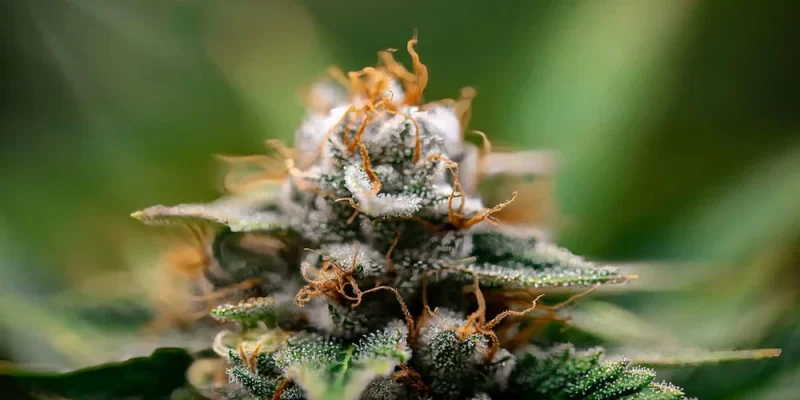
Why do hemp flowers differ?
Hemp cultivars cover a wider range of profiles than most buyers or growers pause to consider, and that range becomes most apparent once THCA-dominant varieties enter the picture. Composition drives those distinctions at a level well beyond simple marketing categories. Standard crops were shaped over the years around CBD output, a commercially dominant priority that influenced how plants were selected, grown, and brought to the shelf. The best thca flower sits apart from that trajectory, organized around a chemically distinct acid-form precursor with production demands and applications that CBD cultivation never had to address.
Heat dependency is what separates THCA in practical terms. Without applied heat, it stays in its acid form and does not activate, which alone places THCA-rich cultivars in a functionally separate class. Growing them requires tighter environmental discipline than CBD farming, since preserving the acid form through harvest, curing, and storage is the primary goal rather than allowing premature conversion. Curing temperature and light exposure directly shape how much active content is held in the final product. Strains bred for THCA accumulation tend to carry layered aromatic characteristics, and those only survive when grow conditions and post-harvest handling are both executed with consistent attention.
How do profiles vary?
Each hemp category is built around a different priority, and those priorities produce genuinely different products. CBD varieties concentrate on cannabidiol with limited room for secondary content. CBG crops narrow further still, targeting one specific minor extract. THCA cultivars work differently, accumulating the acid-form precursor within a broader matrix that most standard breeding programs were never designed to produce.
- CBD varieties are structured around cannabidiol with limited secondary content.
- CBG crops are purpose-built around a single minor extract.
- THCA cultivars accumulate the acid-form precursor within a richer overall matrix.
- Full-spectrum varieties spread their profile broadly but rarely reach the concentrated levels that dedicated THCA crops deliver.
Cultivation sets it apart
Growing THCA at a consistent quality level asks more from a farming operation than conventional hemp production typically requires. Genetics set the ceiling from the start, since only select cultivars accumulate at meaningful concentrations while staying within compliant thresholds. Variety selection carries real consequences here. Controlled environments give growers the precision needed to manage light cycles, canopy temperature, and humidity in ways open-field methods cannot replicate.
Harvest timing is where many operations lose ground. Accumulation peaks during a specific and relatively brief window in the plant’s cycle, and pulling the crop outside that window in either direction causes potency loss that no downstream process can recover. Handling after harvest carries equal weight. Heat or light exposure post-cutting begins converting active content before it reaches the end user, making storage and transit conditions as consequential as field decisions.
Quality markers to assess
Serious THCA production leaves a verifiable record across several measurable characteristics.
- Trichome density across the surface reflects how well accumulation was supported during the grow.
- Third-party certificates of analysis confirm potency figures and identify contaminant presence independently of producer claims.
- Moisture content within the accepted range points to curing that was managed properly rather than rushed.
- Terpene retention shows whether post-harvest handling kept the plant’s full output intact.
Production that holds up across these markers is defined by discipline, not labelling. Harvest precision, profile specificity, and independently verified quality separate credible THCA output from a wider market where those standards remain unevenly applied.











Comments