
 By
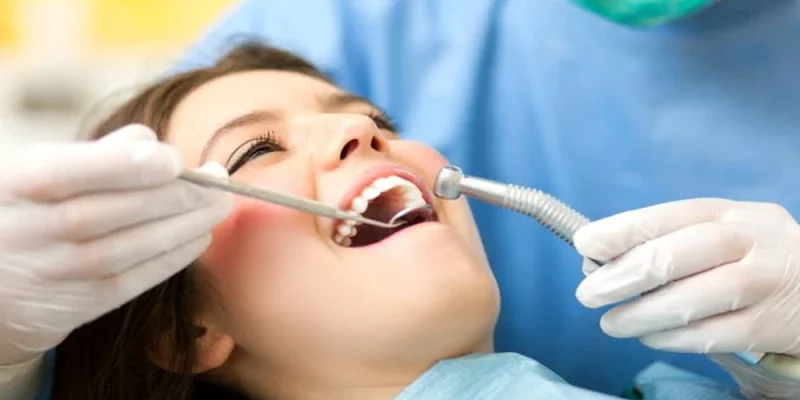
You usually do not think about your teeth until something starts to hurt. It begins with a little sensitivity, a rough edge, gums that bleed when you brush, or a spot you keep telling yourself to watch. Then life gets busy, the appointment gets pushed back, and a small issue turns into a treatment plan that feels bigger, longer, and more expensive than you expected. That is why finding compassionate dental services in Fresno, CA can make it easier to get care before small problems become major ones.
That is the core reason Why Preventive Dentistry Is the Key to Avoiding Complex Restorations matters. Small problems are easier to catch, easier to treat, and far less likely to lead to crowns, root canals, bridges, implants, or extractions. Good daily habits and regular visits with a general dentist do more than keep your smile looking clean. They protect your time, your comfort, and your budget.
Preventive dental care stops small damage before it spreads
Most major dental work starts with something minor. Plaque sits on teeth, hardens into tartar, and creates the right setting for cavities and gum disease. A tiny cavity may not hurt at first, which is exactly why it gets missed. Once decay moves deeper into the tooth, the repair becomes larger. What could have been a simple filling can turn into a crown or root canal.
The same pattern shows up with gum health. Mild gingivitis often causes redness or bleeding when you floss, and many people brush it off. Left alone, that inflammation can move into the tissues and bone that support your teeth. When that support weakens, teeth loosen, shifting starts, and replacement options become part of the conversation.
The Centers for Disease Control and Prevention explains that cavities are one of the most common chronic conditions and that tooth decay happens when bacteria in the mouth produce acids that damage tooth structure. You can read more from the CDC about cavities and tooth decay. The message is plain. Decay does not stay small on its own.
Delaying routine dental visits often leads to more invasive treatment
You may skip care because nothing feels urgent, or because you are trying to avoid cost. That decision often creates the very problem you hoped to avoid. Preventive visits are built to find issues before pain forces your hand. Exams, cleanings, X-rays when needed, and gum evaluations give your dentist a chance to spot cracks, early decay, worn fillings, and signs of infection before the tooth is at risk.
Think about the difference in real life. A patient misses cleanings for a couple of years, notices bleeding gums, and assumes they are brushing too hard. At the next visit, there is tartar below the gumline, bone loss on imaging, and several areas of decay around old fillings. The treatment is no longer one cleaning and one filling. It may involve deep cleaning, multiple restorations, and close follow-up.
This is why preventive dental treatment has such a strong return. It lowers the odds that a routine issue will grow into a complex repair with more appointments, more numbness, more healing time, and more money out of pocket.
Everyday prevention supports your long term oral health
Prevention is not only about office visits. What you do at home every day shapes what happens in the chair. Brushing twice a day with fluoride toothpaste, cleaning between teeth, limiting frequent sugary snacks and drinks, and replacing a worn toothbrush all reduce the conditions that feed decay and gum disease.
The CDC offers practical oral health tips for adults that support this kind of daily protection. These habits are simple, but they are not small. They reduce bacteria, strengthen enamel, and help your mouth recover between meals.
If you clench your jaw, breathe through your mouth, take medications that cause dry mouth, or have not had a dental visit in years, your risk may be higher than you realize. That does not mean damage is guaranteed. It means preventive dentistry becomes even more useful because it helps catch changes early, when options are still simple.
Preventive care and complex restorations differ in cost, time, and recovery
| Dental Need | Preventive Approach | If Delayed |
|---|---|---|
| Early plaque buildup | Routine cleaning and home care coaching | Tartar, gum inflammation, deeper cleaning needs |
| Small cavity | Simple filling | Larger filling, crown, or root canal if decay reaches the pulp |
| Minor gum bleeding | Exam, cleaning, flossing changes, monitoring | Periodontal disease, bone loss, loose teeth |
| Hairline crack or worn filling | Early repair or replacement | Fracture, pain when chewing, possible extraction |
| Night grinding | Night guard and wear monitoring | Broken teeth, jaw pain, repeated restorative work |
A general dentist looks for these patterns every day. The goal is not to create more treatment. The goal is to keep treatment from growing.
Simple actions now can help you avoid major restorative dentistry later
1. Book the visit you have been putting off.
If it has been more than six months, or longer than your dentist recommended, set the appointment. Even if you are worried about what they might find, knowing is easier than guessing. Early answers usually mean easier care.
2. Tighten up your home routine.
Brush for two full minutes twice a day with fluoride toothpaste. Clean between your teeth once a day with floss or interdental cleaners. If you sip soda, sports drinks, or sweet coffee all day, cut down the frequency. Your teeth recover better when sugar and acid are not hitting them constantly.
3. Pay attention to quiet warning signs.
Bleeding gums, bad breath that lingers, sensitivity to cold, food trapping between teeth, and a tooth that feels different when you bite are all worth mentioning. Pain is not the only signal. Many serious dental problems start quietly.
Protecting your teeth early makes future care simpler
No one wants to hear they need extensive dental work, especially when it might have started as something small and manageable. That is why prevention matters so much. It gives you a chance to keep your natural teeth stronger, avoid more involved procedures, and spend less time reacting to problems that could have been caught sooner.
If you have been waiting for the right time to focus on your oral health, this is it. Schedule a checkup with a general dentist and give yourself the best chance to avoid complex restorations later.






Comments