
 By
By 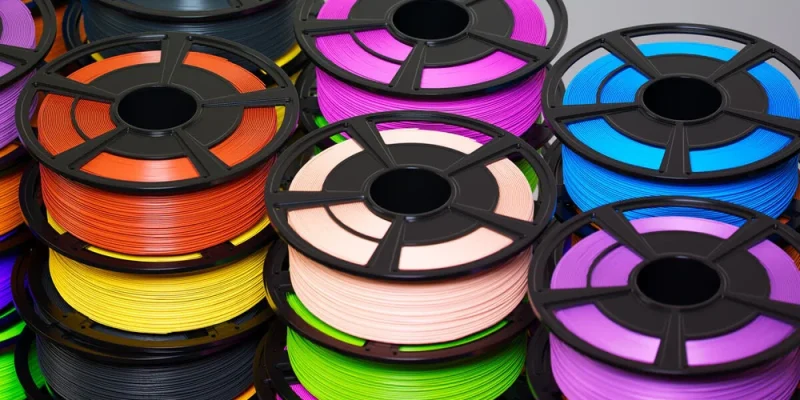
For any successful 3D print, the first step is to select the right material. The filament is key to the result, yet important factors in the printer settings and the design file are also important. The quality of the material plays a crucial role in producing robust components, smooth surfaces, and consistent prints. That’s why many hobbyists, students and professionals put in the time to learn about the various 3D printer filaments before beginning a project.
There are different uses for each type of filament. Some are made to be easily printable and others are made to be more resistant, flexible or heat resistant. By knowing these differences you will be able to select the most appropriate material for a job rather than using the same material for all jobs.
Choosing a printer the right way from the start of the printing process can save time, lower the number of prints that fail and result in a better print job.
The various materials can be used for different applications.
Each project is unique with its own set of needs. But a decorative display does NOT have to be as strong as a mechanical component or a workshop tool. Hence, you’ll find a wide range of 3D printer filament types that can be used for different applications.
One of the most popular options is PLA, as it prints easily and yields clean prints. It is widely used in educational project, display, prototype and hobby model. However, if increased durability and moisture resistance is required, PETG is another popular choice. ABS is frequently chosen for its higher heat resistance and toughness, but typically requires more stringent printing conditions.
Specialty materials include TPU (flexible materials), nylon (functional, strong parts), and carbon fiber filled filaments (lightweight, strong materials). The selection of materials to use is based on the function of the printed object, not on the most commonly used material.
When it comes to lamination, quality makes a difference.
The quality of a filament is a key factor in a successful print job. Good filament is evenly thinned down the length of the spool so the printer can extrude it evenly. This helps to make the layers smoother and the overall appearance of the model better.
Low-quality filament may lead to issues like uneven extrusion, nozzle blockages, weak bonding between layers, and surface quality problems. The problems can result in the loss of materials and increased printing times due to reprinting failed prints.
Stable 3D printer filaments additionally have more predictable printing performance. After finding suitable temperature settings, they are quite stable for the rest of the subsequent projects and the entire printing process is easier.
Properly caring for your filament.
As significant as the choice of material is, is the proper storage of the material. Numerous filaments will absorb moisture from the surrounding air. In this instance, bubbles, stringing, rough surfaces, or less firm printed components can result.
Spools can be stored in sealed containers or moisture-absorbent sealed bags to keep them in good condition. Keep filament away from moisture and sun to minimize lifespan.
Drying the filament before printing is often sufficient to recover a lot of filament properties if it has been moisture-absorbed. With a little care in storage you can ensure reliable printing any time you start a new project.
Create good projects using the proper materials.
Understanding filament is the most important aspect for anyone interested in 3D printing. To get the best performance from a good printer, the material should be appropriate as well. Investing time to learn the types of filaments, helps you to match them with the project’s requirements.
Whether you’re making prototypes, home goods, replacement components, educational models, or creative designs, choosing reliable 3D printer filaments ensures cleaner finishes, stronger parts, and predictable results. It also eliminates waste and makes every printing session more enjoyable.
The more you practice, the more you will find material to try out and the more your work will improve. The selection of the right filament can be critical to any project and is an easy decision to make.











Comments