
 By
By 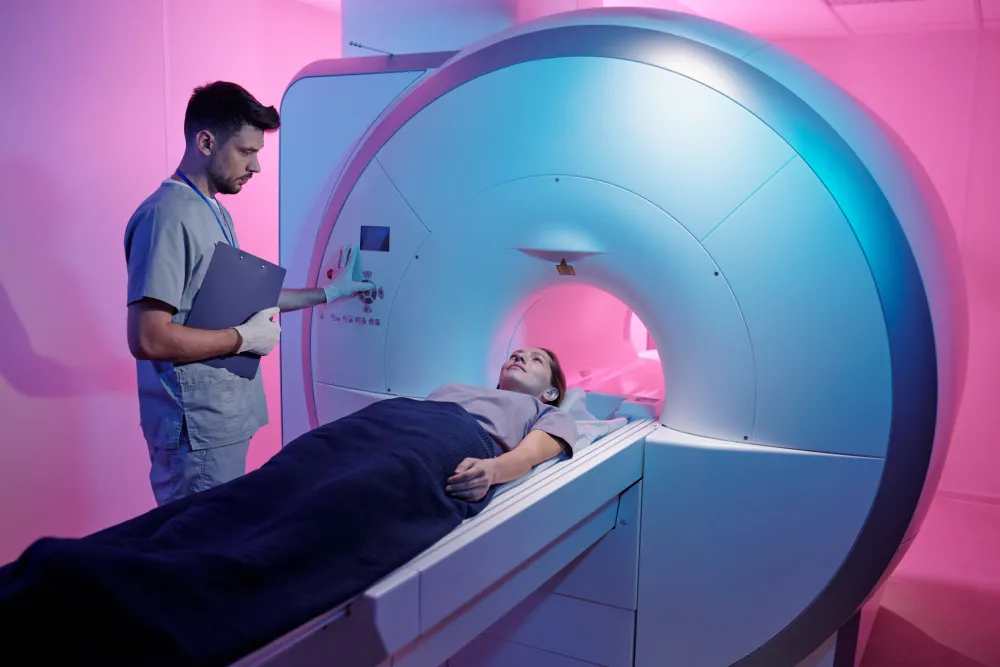
A person can walk around feeling completely healthy. No pain. No fatigue. No warning signs. But something serious is developing inside. By the time the symptoms appear in an individual, the disease has already reached a critical level.
An MRI scan can identify more than 500 medical conditions before they occur. Most of those conditions have no symptoms until they are dangerous. That, too, is where the importance of early detection lies.
What Gets Caught?
The scan picks up abnormalities across multiple body systems in one sitting.
- Cancers. Liver tumors. Kidney masses. Pancreatic lesions. Prostate abnormalities. Lung nodules. Colon polyps, ovarian cysts, and changes in the breast tissue are the majority early on.
- Brain and neurological disorders. Aneurysms before rupture.
- Brain tumors. Lesions. Areas of abnormal tissue that require monitoring. Stroke risk indicators.
- Heart and blood vessel problems. Arteries blocked off, without chest pain. Aortic weakening. Valve disorders. Blood clots are forming. Irregular structures that could fail without warning.
- Organ damage. Fatty liver disease. Kidney scarring. Inflammation of the pancreas. Abnormalities of the adrenal glands. Thyroid nodules. Liver cysts. These develop silently for years.
- Spine and skeletal issues. Herniated disks. Spinal stenosis. Loss of density in the bones. Structural misalignment. Osteoarthritis progression. Joint damage.
- Inflammation and infection. Enlargement of lymph nodes. These conditions are asymptomatic, with the illness often being masked in the background.
Why 500 Conditions Matter?
Most routine tests catch maybe 5 to 10 common problems. Blood work checks specific markers. X-rays show bones. Ultrasounds examine one area. But they leave massive gaps. An MRI scan by Papillon covers the entire body systematically. Head to pelvis. Every organ. Every major structure. In 45 to 60 minutes.
That panoramic view means catching things that might otherwise go undetected for months or years. A small aneurysm found today gets monitored or managed. The same aneurysm rupturing next year becomes a stroke or worse.
The Timing Question
Early detection doesn’t just matter. It changes everything about treatment options and outcomes. Stage one cancer has significantly better survival rates than stage three. Blockages found before a heart attack allow for prevention strategies. Tumors caught early get removed with minimal damage. Infections caught early respond to treatment.
But waiting for symptoms means starting treatment later in the disease process. Biology has progressed. More damage has occurred. The treatment becomes progressively more aggressive, and there is a slower recovery.
What Happens After?
An MRI scan by Papillon includes a detailed results review. A radiologist examines all the images. Creates a comprehensive report. Specialist recommendations get included.
From there, a person understands their actual health status. If something is found, the next steps become clear. If nothing is found, baseline knowledge provides reassurance. Either way, there’s no guessing.
Taking Control
The majority of human beings do not seek preventive screening because of the feeling of being fine. However, feeling fine doesn’t mean you are fine. Diseases develop without announcing themselves.
One comprehensive MRI scan reveals what’s actually happening inside. Over 500 conditions could get caught. Early detection of a problem makes a huge difference. This is something worth taking seriously.











Comments