
 By
By 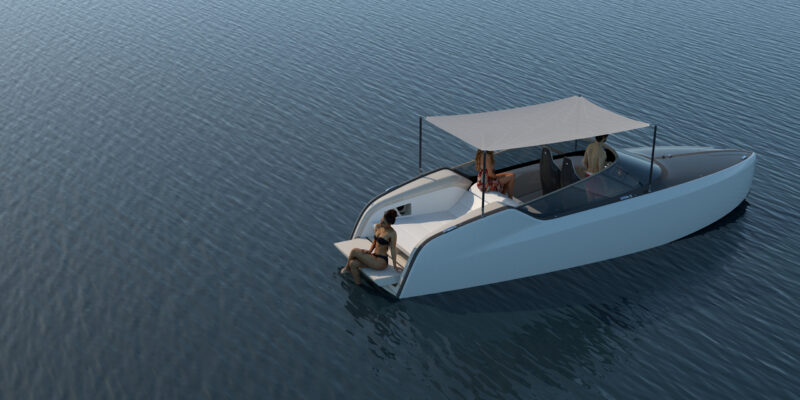
Electric boating has gained attention among marine enthusiasts who seek cleaner propulsion and quiet operation. New marine technology has introduced vessels that rely on battery power rather than traditional fuel systems. These boats provide a different experience on lakes, rivers, and coastal areas.
Boat manufacturers continue to develop advanced electric propulsion systems. Brands such as Vision Marine boats demonstrate how innovation can improve efficiency and on-water comfort. Therefore, several defining features now shape how modern electric boats perform. The following sections highlight important characteristics that define this new generation of vessels.
Electric Propulsion Systems
Electric propulsion stands at the core of modern electric boats. Instead of internal combustion engines, these boats rely on electric motors powered by rechargeable battery packs. Electric motors produce smooth acceleration and steady propulsion across various water conditions.
Quiet operation also changes the overall boating experience. Passengers enjoy natural surroundings without loud engine noise. Electric propulsion systems also reduce vibration throughout the vessel. Therefore, this technology improves comfort for passengers and provides a more peaceful environment on the water.
Advanced Battery Technology
Battery capacity plays a major role in the performance of electric boats. Modern vessels use high-capacity lithium battery systems that support extended operation during recreational trips. These batteries store large amounts of energy while maintaining a compact design.
Improved battery technology also supports faster charging cycles. Many systems allow owners to recharge overnight or through marina charging stations. Reliable battery systems help maintain steady performance throughout the trip. Hence, battery innovation remains a key factor in modern electric boat design.
Smooth and Quiet Navigation
Electric boats provide a calm navigation experience due to the absence of combustion engines. Passengers enjoy reduced noise levels during travel across lakes and coastal areas. Quiet propulsion allows natural sounds such as water movement and surrounding wildlife to remain audible.
Smooth navigation also improves comfort for passengers on board. Electric propulsion produces consistent torque without sudden engine vibration. Therefore, the overall boating experience becomes more relaxed and enjoyable for families, friends, and recreational boaters.
Efficient Energy Management Systems
Modern electric boats include energy management systems that monitor battery usage and propulsion performance. These systems display real-time data related to battery charge, range, and power consumption. Clear dashboards allow operators to track energy use during the trip.
Efficient power distribution helps extend operational range. Smart software regulates energy delivery to the propulsion system and onboard electronics. Hence, advanced monitoring tools help operators manage power consumption and plan trips more effectively.
Reduced Environmental Impact
Electric propulsion supports environmentally responsible boating. Electric motors produce no direct fuel emissions while the vessel operates on the water. This feature helps reduce pollution in sensitive marine environments.
Cleaner propulsion also supports sustainability goals across recreational boating communities. Lakes and coastal ecosystems benefit from reduced fuel discharge and lower noise levels. Therefore, electric boats represent a positive step toward environmentally responsible marine recreation.
Modern Hull Design and Performance
Hull design continues to evolve to support electric propulsion systems. Manufacturers design hull structures that improve efficiency and stability on the water. Streamlined shapes reduce drag and help maximize energy use during travel.
Improved hull construction also supports balanced weight distribution across the vessel. Stable handling allows smooth movement across calm or moderate water conditions. Hence, modern hull engineering contributes to the performance of electric boats.
Technology That Enhances the Boating Experience
Several technologies improve convenience and usability for electric boat owners. Navigation systems, digital displays, and onboard connectivity features help operators monitor vessel performance during travel.
Common onboard technologies include:
These features help operators maintain awareness of vessel performance and navigation conditions.
Growing Interest in Electric Boating Innovation
Electric boat development continues to expand across the marine industry. Manufacturers invest in improved propulsion technology, battery capacity, and vessel design. These improvements support the long-term growth of electric boating.
Companies that design vessels such as Vision Marine boats help demonstrate how innovation can shape future recreational boating. Continued technological progress will improve performance, efficiency, and accessibility for electric vessels. Therefore, interest in electric boating continues to grow among modern boaters.
Electric boats introduce a new approach to recreational boating through clean propulsion and advanced technology. Electric motors, high-capacity batteries, and efficient energy systems help improve overall vessel performance. Quiet navigation and reduced environmental impact also enhance the boating experience for passengers and the surrounding ecosystems. Modern hull designs and onboard technologies further support convenience and efficiency. As innovation continues across the marine industry, electric boats will remain an important part of the future of boating on lakes, rivers, and coastal waters.











Comments