
 By
By 
Key Highlights
- Fat freezing is a body contouring tool, not a primary weight loss solution.
- Multiple sessions are often required to achieve the most dramatic results.
- The procedure is designed to target specific, stubborn pockets of fat.
- Results appear gradually as the body naturally eliminates treated fat cells.
Introduction
In the quest for a more sculpted physique, many people are turning to non-invasive technologies to target areas that are resistant to traditional dieting. Among the most popular options is fat freeze therapy, a procedure that uses controlled cooling to eliminate stubborn fat cells. However, as the popularity of these procedures grows, so do several misconceptions about what they can and cannot achieve.
Many patients walk into a clinic expecting a total body transformation overnight, only to realise that the process is more nuanced. Understanding the reality behind any medical fat loss treatment is essential for setting realistic expectations and achieving satisfaction with the final outcome. By debunking common myths, we can better appreciate how these innovative treatments work to refine the body’s natural shape and provide a confidence-boosting aesthetic improvement.
Myth 1: Fat Freezing is a Substitute for Weight Loss
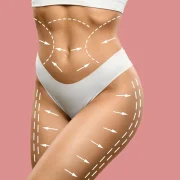
Perhaps the most prevalent misconception is that fat freeze therapy is a weight loss procedure designed for those who are significantly overweight. In reality, these treatments are best categorised as body contouring or “sculpting.” Weight loss refers to the shrinking of fat cells throughout the entire body, whereas fat freezing specifically targets and eliminates a percentage of fat cells in a localised area.
The ideal candidate is someone who is already close to their target weight but has specific “bulges” that do not respond to exercise. While the treated area will appear slimmer and more defined, the number on the scale may not change drastically. It is about changing the shape and proportions of the body rather than reducing overall mass.
Myth 2: One Session Provides Instant Perfection
In an era of instant gratification, many hope that a single session of a fat loss treatment will be enough to achieve their goals. While some people may see noticeable improvements after one visit, most clinical protocols recommend a series of sessions for optimal results.
Each treatment typically targets about twenty to twenty-five per cent of the fat cells in the designated area. Depending on the thickness of the fat layer and the desired outcome, a practitioner may suggest two or three sessions spaced several weeks apart. Furthermore, the results are not immediate. Because the body needs time to metabolise and flush out the crystallised fat cells through the lymphatic system, it usually takes between eight to twelve weeks to see the final silhouette.
Myth 3: The Fat Will Come Back Quickly
A common fear is that the fat removed during fat freeze therapy will simply return after a few months. Scientifically, once fat cells are frozen and eliminated, they do not grow back or regenerate in that specific area. In this sense, the reduction is considered permanent. However, it is vital to understand that the remaining fat cells in the body can still expand if a person gains weight.
If a patient does not maintain a healthy lifestyle after their treatment, the overall contour of the body can change as the surviving cells increase in size. To preserve the sculpted results of any professional fat loss intervention, a balanced diet and regular physical activity remain essential components of long-term success.
Myth 4: The Procedure is Painful and Requires Recovery
Because the word “freeze” is used, many people imagine a painful or uncomfortable experience that requires downtime. On the contrary, most patients find the procedure quite tolerable. During the initial few minutes, you may feel intense cold and a slight tugging sensation as the applicator draws in the fatty tissue, but the area typically becomes numb shortly thereafter.
Many people spend their session reading, working on a laptop, or even napping. Unlike surgical alternatives, there is no need for anaesthesia or recovery time. You can return to your regular routine, including exercise, immediately after leaving the clinic. This lack of disruption to daily life is one of the primary reasons why non-invasive fat loss options have become so favoured.
Conclusion
Fat freeze therapy and other medical fat loss treatments are powerful tools for refining the body and addressing stubborn areas of concern. By moving past the common myths, patients can approach their body contouring journey with a clear understanding of the process. When combined with a healthy lifestyle and realistic expectations, these treatments offer a safe and effective way to enhance your physical profile and feel more comfortable in your own skin.
To find out if you are a suitable candidate for non-surgical body sculpting, contact Veritas Medical Aesthetics for a comprehensive assessment with our experienced team.








Comments