
 By
By 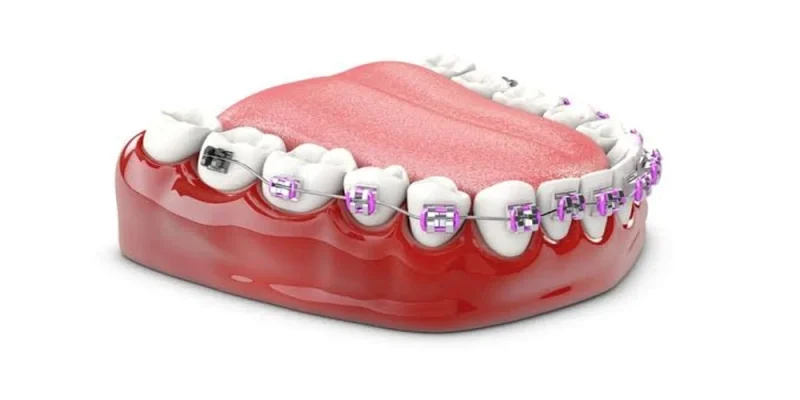
You may be ready to straighten your teeth, but one look in the mirror tells a bigger story. Maybe there is an old crown that no longer matches, a chipped edge that catches your lip, or gum tenderness that makes the whole idea feel harder than it should. That is where people often get stuck. They want a better smile, yet their teeth need more than movement alone. A Lower Manhattan dentist can help address those underlying concerns as part of the process.
How Restorative Dentistry Supports Cosmetic Orthodontics comes down to timing, function, and stability. Orthodontic treatment can move teeth into better positions, but restorative work repairs damage, replaces missing structure, and helps create a smile that looks right and works well. When those two areas are planned together, treatment tends to be smoother and results tend to last longer.
Cosmetic orthodontics works best when the foundation is healthy
Teeth do not move in isolation. They sit in bone, are supported by gums, and often carry years of wear, fillings, cracks, and bite stress. If you start aligners or braces without addressing those issues, you can end up straightening teeth that are still weak, uneven, or hard to restore later.
This is why a cosmetic and restorative dentist often looks beyond alignment. A small cavity can become a larger problem once trays are pressing against teeth every day. Gum inflammation can make impressions less accurate and tooth movement less predictable. The National Institute of Dental and Craniofacial Research explains that gum disease can damage the tissues that support your teeth, which matters if you are planning any orthodontic care.
You might be thinking, “I only wanted straighter teeth.” That feeling is common. Straight teeth are part of the picture, not the whole picture. If a front tooth is shorter from wear, if one side of your bite collapses because of a missing molar, or if old bonding is breaking down, tooth movement alone will not fix the reason your smile feels off.
Restorative dental care shapes the final result of smile alignment treatment
Restorative dental care for orthodontic treatment often includes fillings, crowns, bonding, implants, or veneers planned around tooth movement. Each one changes how your final smile can be built.
Take spacing, for example. A person may have small teeth and visible gaps. Aligners can close some spaces, but if the tooth proportions are off, closing every gap can leave teeth looking too narrow or uneven. In that case, the better plan may be to move the teeth into balanced positions first, then use bonding or veneers to refine the shape.
The reverse can also happen. A patient may want veneers because the front teeth look crowded and worn. If the dentist places veneers before correcting alignment, more enamel may need to be removed just to force a straight appearance. Moving the teeth first can create a cleaner, more conservative restoration.
That is the real value of combining cosmetic orthodontics with restorative dentistry and orthodontics. It reduces guesswork. It protects healthy tooth structure. It helps the final bite feel as good as the smile looks.
There is also the issue of existing dental work. Crowns and fillings do not move or respond the same way natural enamel does during planning. Clear aligner treatment can still work well, but attachments, fit, and finishing details may need closer attention. The NIDCR has also reported on concerns tied to aligner materials and wear patterns in some patients, especially when treatment is not carefully monitored. You can read more about clear plastic aligners and brittle teeth.
Professional planning prevents cosmetic orthodontic problems from getting expensive
Most people do not worry only about appearance. They worry about redoing work, paying twice, or ending up with a bite that feels strange after treatment. Those concerns are fair. When restorative needs are missed at the start, treatment can stretch out and costs can rise.
A missing tooth is a good example. If there is an empty space, the orthodontic plan should decide early whether that gap will be closed or held open for an implant or bridge. If no one makes that decision up front, teeth can drift into the wrong positions and create a harder, more expensive case later.
Even basic orthodontic facts matter here. MedlinePlus offers a solid overview of orthodontia and how treatment works, including the role of bite correction and long term retention. Cosmetic goals matter, but function still drives lasting results.
Cosmetic orthodontics and restorative dentistry require coordinated timing
| Situation | Orthodontics Alone | Coordinated Restorative and Orthodontic Care |
|---|---|---|
| Chipped or worn front teeth | Teeth may look straighter but still uneven in length and shape | Teeth are aligned first, then bonding or veneers refine the edges |
| Missing tooth space | Gap may close the wrong way or remain poorly sized for replacement | Space is planned for closure or for an implant or bridge from the start |
| Gum inflammation | Movement may be less predictable and oral hygiene may get harder | Gums are treated first, giving teeth better support during movement |
| Old crowns or large fillings | Fit and bite details may be harder to finish well | Restorations are reviewed before treatment so movement supports the final bite |
Clear next steps make cosmetic and restorative treatment less overwhelming
1. Get a full exam before starting tooth movement.
Ask for an evaluation of your gums, old dental work, bite, and any missing teeth. If you have been focused on straightening alone, this step brings the full picture into view.
2. Ask what should happen before, during, and after orthodontics.
Some work belongs at the beginning, such as treating decay or gum disease. Some belongs at the end, such as veneers, bonding, or final crowns. The order matters more than many people realize.
3. Choose a plan that protects tooth structure.
The best cosmetic result is not always the fastest one. If moving teeth first means less drilling later, that is often the smarter path. A good plan should improve the look of your smile without creating avoidable damage.
If your smile needs both alignment and repair, you are not overcomplicating things by asking for a coordinated approach. You are being careful. That usually leads to a better result, a stronger bite, and dental work that feels worth the investment. When you are ready, schedule a consultation with a cosmetic and restorative dentist and ask for a plan that treats the whole smile, not just the crooked parts.





Comments