
 By
By 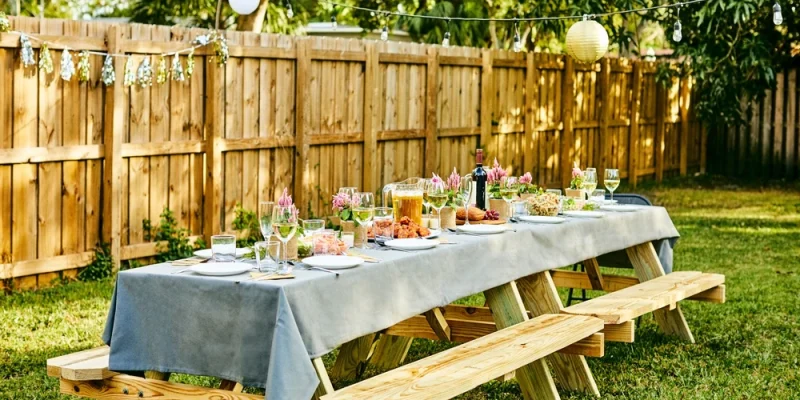
Key Takeaways
Wood and vinyl remain popular privacy fence options because they combine privacy, visual appeal, and practical performance. Wood offers a warm, natural appearance, while vinyl provides a low-maintenance alternative that resists moisture and decay.
Steel and aluminum fencing provide durable alternatives for homeowners who prioritize security and longevity. Both materials can complement modern outdoor spaces while requiring relatively little maintenance.
Eco-friendly materials such as bamboo and recycled composites are becoming increasingly popular among homeowners looking for sustainable fencing solutions without sacrificing appearance or durability.
Modern privacy fence designs can combine traditional and contemporary elements, allowing homeowners to create outdoor spaces that complement their home’s architecture and landscaping.
Fence height and design play an important role in balancing privacy with natural light and airflow. Six- to eight-foot fences and slatted designs can provide effective privacy while keeping outdoor areas comfortable and inviting.
Landscaping, decorative elements, and greenery can enhance the appearance of privacy fences while creating a more attractive and relaxing outdoor environment.
Smart locks, gate sensors, and security features can add another layer of protection, making modern privacy fences useful for both aesthetics and property security.
Choosing the Right Privacy Fence for Your Outdoor Space
Wood vs. Vinyl: Which Privacy Fence Option Is Right for You?
When homeowners explore privacy fencing, wood and vinyl are often among the first materials they consider. Each offers distinct benefits depending on the desired appearance, maintenance requirements, budget, and local climate.
Wood fencing is popular because of its natural warmth and versatility. Cedar, for example, offers natural resistance to decay and insects while creating a classic appearance that works well with gardens, patios, and traditional homes. However, wood requires regular maintenance, such as staining or sealing, to help protect it from moisture, fading, and warping.
Vinyl offers a different approach. Its smooth appearance and low-maintenance characteristics make it attractive to homeowners who want privacy without frequent upkeep. A vinyl fence can generally be cleaned with water and mild soap, making maintenance relatively simple.
The right choice ultimately depends on the homeowner’s priorities. Wood may be ideal for those who value natural character and customization, while vinyl may appeal to those seeking durability and easier maintenance.
Steel and Aluminum: Durable Options for Privacy and Security
Steel and aluminum provide another option for homeowners who want their fencing to offer both durability and security. Although these materials are commonly associated with commercial properties, modern designs have made them increasingly suitable for residential outdoor spaces.
Steel is exceptionally strong and can provide a substantial physical barrier around a property. Aluminum, meanwhile, offers a lighter alternative while still delivering impressive durability and resistance to corrosion.
Both materials can be customized through different designs, finishes, and colors. This allows homeowners to create fencing that supports their security goals without making the property appear overly industrial.
For outdoor areas where durability and security are priorities, metal fencing can provide a long-lasting solution that complements modern landscaping and architectural styles.
Eco-Friendly Privacy Fence Options
Sustainability is becoming an important consideration when homeowners choose materials for outdoor projects. Bamboo and recycled composite fencing provide alternatives for those interested in environmentally conscious designs.
Bamboo grows quickly and offers a distinctive natural appearance. When properly treated and maintained, it can create an attractive privacy barrier while contributing to a more organic outdoor aesthetic.
Recycled composite fencing combines materials such as recycled plastics and wood fibers. These products can provide the appearance of traditional fencing while offering resistance to moisture, insects, and weather-related deterioration.
Some homeowners also incorporate living walls, climbing plants, or greenery into their fencing. These additions can soften the appearance of a fence and create a more natural transition between the structure and surrounding landscape.
Privacy Fence Designs That Enhance Outdoor Spaces
Modern vs. Traditional Fence Styles
The design of a privacy fence can dramatically influence the appearance of an outdoor space. Traditional wood panels can provide a warm and timeless look, while contemporary designs often feature clean lines, horizontal boards, metal accents, or composite materials.
Homeowners do not necessarily have to choose between traditional and modern designs. Hybrid fencing is becoming increasingly popular because it allows different materials and styles to work together.
For example, a homeowner might combine a dark metal frame with natural wood panels. The result can provide the clean appearance of modern design while retaining the warmth of wood.
The most effective design is one that complements the home’s architecture, landscaping, and overall outdoor aesthetic.
Colors and Finishes That Improve Curb Appeal
Color is another important consideration when selecting a privacy fence. Natural wood stains can enhance the grain and create a traditional appearance, while darker colors such as black or charcoal can provide a modern contrast against greenery.
Lighter colors can make an outdoor area feel more open and visually spacious. White vinyl fencing, for example, can create a clean appearance around gardens, patios, and pool areas.
Popular choices include:
- Natural Wood Stains: Highlight the character of wood.
- Black or Charcoal: Create a modern and sophisticated appearance.
- White: Provides a clean, classic outdoor aesthetic.
- Earth Tones: Blend naturally with landscaping.
The finish should also complement the surrounding property. A well-selected color and finish can make the fence feel like an intentional part of the landscape rather than simply a boundary.
Integrating Landscaping With Privacy Fences
A privacy fence can become even more attractive when combined with thoughtful landscaping. Plants, flowers, shrubs, and climbing vines can soften hard fence lines and create a more welcoming environment.
Climbing plants such as jasmine or ivy can add vertical greenery, while shrubs and flowering plants can create depth around the base of the fence.
Homeowners can also use landscaping strategically to increase privacy. Dense plants placed near fence lines can create an additional visual barrier while contributing to the overall appearance of the yard.
A well-designed fence should work together with the landscape rather than compete with it.
“A fence is more than a boundary; it’s a frame for your landscape.”
How to Maximize Privacy Without Sacrificing Light
Finding the Right Fence Height
Fence height is one of the most important factors when creating a private outdoor space. A taller fence can provide greater visual separation, but excessive height may make a yard feel enclosed.
For many residential applications, a fence between six and eight feet can provide a useful balance between privacy and openness, depending on local regulations and property requirements.
Homeowners should also consider where privacy is most important. A taller section may be appropriate around a patio or pool, while shorter fencing may work better around gardens or front yards.
Before installation, homeowners should verify applicable local zoning requirements, property restrictions, and homeowners’ association rules.
Using Decorative Greenery for Additional Privacy
Greenery can provide an attractive way to supplement a privacy fence. Artificial greenery is particularly useful for homeowners who want a lush appearance without the maintenance associated with live plants.
Options include:
- Artificial Ivy Panels: Add vertical greenery to existing fencing.
- Faux Boxwood: Create a dense, polished appearance.
- Decorative Green Screens: Add privacy while introducing patterns and texture.
Combining greenery with fencing can create a softer outdoor environment while improving visual privacy.
Slatted Fence Designs for Privacy and Airflow
Slatted fences offer an appealing solution for homeowners who want privacy without completely blocking sunlight and airflow. The spaces between the boards allow air to circulate while limiting direct views into the property.
This design works particularly well for patios, decks, pool areas, and contemporary outdoor spaces.
Slatted fencing can be constructed from wood, composite materials, or metal. Horizontal and vertical configurations can also create different visual effects, allowing homeowners to match the design to their property’s architecture.
“A fence should protect and inspire.”
Privacy Fences That Improve Property Security
Smart Technology for Gates and Fences
Modern privacy fencing can incorporate technology that improves security and convenience. Automated gates, smart locks, motion sensors, and video surveillance can work together to create a more secure property.
Smart locks can allow homeowners to control access through mobile devices, while gate sensors can provide alerts when activity occurs around entrances.
These technologies are especially useful for homeowners who want privacy and security without sacrificing convenient access to their property.
Choosing Effective Locking Mechanisms
The gate is often the most important security point in a privacy fence system. Choosing an appropriate locking mechanism can help strengthen the overall barrier.
Common options include:
- Keyed Deadbolts: A straightforward and dependable option.
- Smart Locks: Allow remote access and smartphone control.
- Slide Bolts: Provide an additional physical security measure.
The appropriate locking system depends on the property’s layout, access requirements, and desired security level.
Working With Neighbors on Fence Projects
Privacy fencing can affect neighboring properties, particularly when fences are placed along shared boundaries. Communicating with neighbors before construction can help prevent misunderstandings and potential disputes.
Homeowners may want to discuss the fence’s location, height, appearance, and maintenance responsibilities. In some cases, neighbors may even agree to share the cost of a fence that benefits both properties.
Consider the following:
- Coordinate Designs: Choose an appearance that works well for both properties.
- Confirm Placement: Establish the boundary before installation.
- Discuss Costs: Determine whether expenses will be shared.
- Review Local Requirements: Confirm applicable property and zoning regulations.
Open communication can make the fencing process smoother while maintaining positive relationships within the neighborhood.
Finding Privacy Fence Options That Fit Your Needs
Choosing a privacy fence involves more than selecting a material. Homeowners should consider how the fence will function, how it will complement the property, and how much maintenance they are willing to perform.
Those exploring their privacy fence options can compare materials such as wood, vinyl, aluminum, steel, bamboo, and composite fencing based on durability, appearance, privacy, maintenance, and budget.
The surrounding outdoor space should also influence the decision. A modern horizontal fence may complement a contemporary home, while natural wood fencing may work better with traditional architecture and lush landscaping.
Ultimately, the best privacy fence is one that creates the desired level of separation while enhancing the overall outdoor environment. With the right combination of material, height, design, landscaping, and security features, a fence can become an attractive and functional extension of the home.
FAQ
What are the most popular privacy fence materials?
Wood and vinyl are among the most popular options because they offer strong privacy and versatile designs. Aluminum, steel, bamboo, and composite materials can also be appropriate depending on durability, appearance, and maintenance preferences.
How tall should a privacy fence be?
A six- to eight-foot fence is commonly considered for residential privacy applications, although the ideal height depends on the property’s needs and applicable local regulations.
Can a privacy fence improve the appearance of a backyard?
Yes. A thoughtfully designed fence can complement landscaping, define outdoor areas, and create a more polished appearance. Color, material, finish, and decorative elements all influence the final look.
Which privacy fence requires the least maintenance?
Vinyl and certain composite fencing materials generally require less maintenance than wood. They typically do not require regular staining or sealing and can be cleaned relatively easily.
Can plants be incorporated into a privacy fence?
Absolutely. Climbing vines, shrubs, hedges, and artificial greenery can be incorporated around or onto a fence to add color, texture, and additional privacy.
Are slatted fences good for privacy?
Slatted fences can provide effective privacy while allowing some light and airflow through the gaps. They are particularly popular for patios, decks, and modern outdoor spaces.
Can privacy fences improve home security?
A properly designed privacy fence can contribute to property security by creating a physical and visual barrier. Adding secure gates, locks, sensors, and lighting can further strengthen the security setup.
What should homeowners consider before installing a privacy fence?
Homeowners should consider material, height, design, maintenance, cost, property boundaries, landscaping, and local regulations. Checking zoning requirements or homeowners’ association rules before installation can help prevent problems later.
Useful Resources
- American Fence Association – Provides resources and information on various types of fencing materials and industry standards.
- eXtension – Offers educational resources on sustainable landscaping and gardening practices, including advice about plant selections for fences.
- Green Builder Media – Concentrates on eco-friendly building techniques and materials, including sustainable fencing choices.
- HomeAdvisor – Connects homeowners with local contractors and offers cost estimates for fencing projects.
- HGTV – Shares design inspiration and tips for outdoor spaces, including fence design ideas and landscaping strategies.
- National Fence Contractors Association – A resource for identifying reputable fencing contractors and learning about industry best practices.
- Wood Magazine – Features articles on wood materials, offering maintenance tips and project ideas related to wooden fencing.
- Better Homes & Gardens – Provides landscaping ideas and guidance for integrating plants with outdoor fencing.
- American Plywood Association – Offers resources on wood products and their applications, including sustainable wood fencing options.











Comments