
 By
By 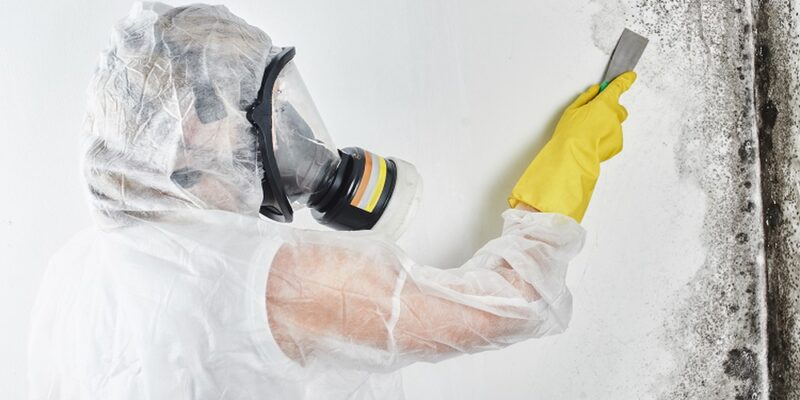
Key Takeaways
- Containment and filtration prevent mould spores from spreading during removal.
- Identifying moisture sources ensures mould does not return after treatment.
- Post-remediation testing confirms that air quality has improved safely.
Introduction
Hiring a mould removal company may seem straightforward at first, yet the quality of professional mould removal depends on how thoroughly each step is handled, from containment to prevention. Many property owners only notice mould once it becomes visible, but the real concern often lies in how spores travel through the air and settle in unseen areas. Without proper procedures, removal efforts can unintentionally spread contamination rather than resolve it. Taking time to review a company’s methods before engagement helps ensure that the issue is addressed safely and that the solution lasts beyond the initial cleanup.
1. Containment Methods to Limit Cross-Contamination
Effective mould removal begins with proper containment, as disturbed spores can easily travel beyond the affected area. A structured setup using sealed barriers and controlled airflow prevents contamination from spreading to adjacent spaces. Without these measures, even a small cleaning job can affect larger areas of a property. Understanding how a provider isolates the work zone helps determine whether they prioritise safety and long-term results rather than quick surface-level cleaning.
2. Use of Proper Filtration Equipment
Filtration plays a critical role in capturing airborne particles during the removal process. High-efficiency systems trap microscopic spores that standard equipment would otherwise recirculate. When companies rely on inadequate tools, they risk leaving airborne contaminants behind, which may settle again after cleaning. Ensuring that proper filtration is part of the process helps maintain indoor air quality during and after the remediation work.
3. Verification Through Post-Remediation Testing
Completion of mould removal should involve confirmation that the environment has returned to acceptable conditions. Testing the air after remediation provides measurable assurance that spore levels have decreased. Without this step, it becomes difficult to determine whether the treatment has fully resolved the issue. Clear verification allows property owners to move forward with confidence that the space is safe for regular use.
4. Identification of Underlying Moisture Sources
Mould growth typically indicates an underlying moisture issue, which requires investigation beyond visible surfaces. Professional mould removal should include an assessment of humidity levels, leaks, or condensation patterns that contribute to the problem. Addressing only the visible growth without resolving these factors often leads to recurrence. Understanding how a company identifies and manages moisture sources ensures that the solution extends beyond temporary removal.
5. Preventive Measures and Warranty Coverage
Long-term prevention forms an important part of effective mould management. Protective treatments and coatings can reduce the likelihood of regrowth when applied correctly. In addition, clear warranty terms indicate that the provider stands behind their work within defined conditions. Reviewing these details helps set expectations for maintenance and ensures that any future issues are addressed within an agreed framework.
Conclusion
Professional mould removal requires more than visible cleaning, as each stage influences whether the issue returns or remains contained. When procedures address containment, filtration, verification, and prevention together, the outcome becomes more reliable and easier to maintain. Careful selection of a mould removal company allows property owners to resolve the issue with greater confidence and fewer recurring concerns.
Contact BELFOR Restoration Services for professional mould removal that addresses the source and ensures lasting results.












Comments