
 By
By 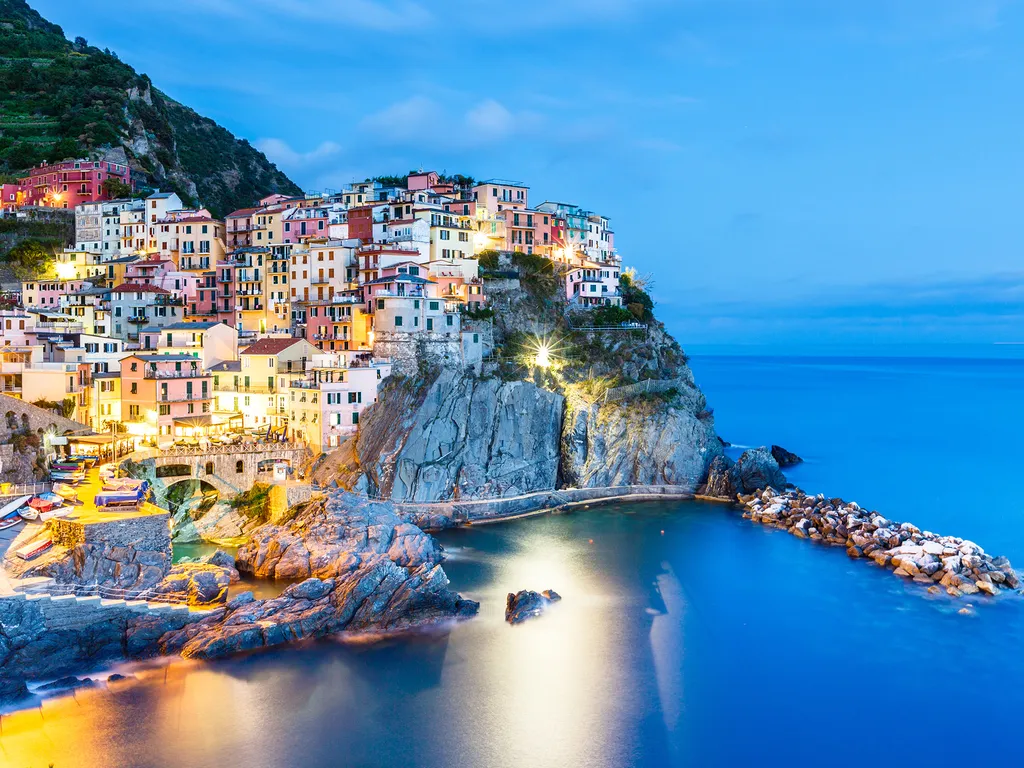
There is something undeniably captivating about cities that meet the sea. From vibrant harbors to winding waterfront streets, coastal cities offer a unique blend of natural beauty, history, and culture. Exploring these destinations allows travelers to appreciate the rhythm of life shaped by tides, trade, and centuries of human interaction with the shoreline. Each coastal city has a distinct personality, offering a combination of scenic landscapes, cultural landmarks, and opportunities for leisure and discovery.
Some of the most memorable coastal cities are celebrated for their architecture. Historic waterfronts, lined with centuries-old buildings, tell stories of trade, exploration, and cultural exchange. Walking along cobblestone streets or exploring plazas that open onto the sea provides insight into how these cities developed over time. Many destinations have preserved their heritage through restored buildings, museums, and landmarks, creating spaces where history is both visible and lived. In Japan, coastal cities combine ancient temples, modern architecture, and vibrant harbors in ways that fascinate visitors, a blend that can be enjoyed during a thoughtfully planned Japan cruise.
Beyond architecture, coastal cities often boast thriving cultural scenes. Music, festivals, and local markets create a dynamic environment where visitors can engage with traditions and contemporary creativity alike. Art galleries, performance spaces, and street art reflect the unique character of each place. Participating in cultural events or simply observing local life can deepen a traveler’s understanding of the city’s identity. Coastal cities frequently celebrate their maritime heritage through museums and exhibits, connecting modern visitors with centuries of seafaring history.
Natural beauty is another defining feature. Cities built along bays, cliffs, or river mouths often have stunning vistas that draw photographers, painters, and wanderers. Watching the sunrise over a harbor, strolling along a beach promenade, or exploring nearby cliffs and parks allows travelers to appreciate the interplay of land and water. Waterfront landscapes shape the atmosphere and lifestyle of coastal cities, influencing the pace of life, recreational opportunities, and local cuisine.
Cuisine is an essential part of the experience. Coastal cities often feature fresh seafood, regional specialties, and culinary traditions shaped by centuries of trade and cultural exchange. Dining along the waterfront, enjoying local markets, or sampling dishes prepared with locally sourced ingredients adds depth to the visit. Each city offers unique flavors that reflect both its geography and its history, allowing travelers to connect with the region through taste as well as sight.
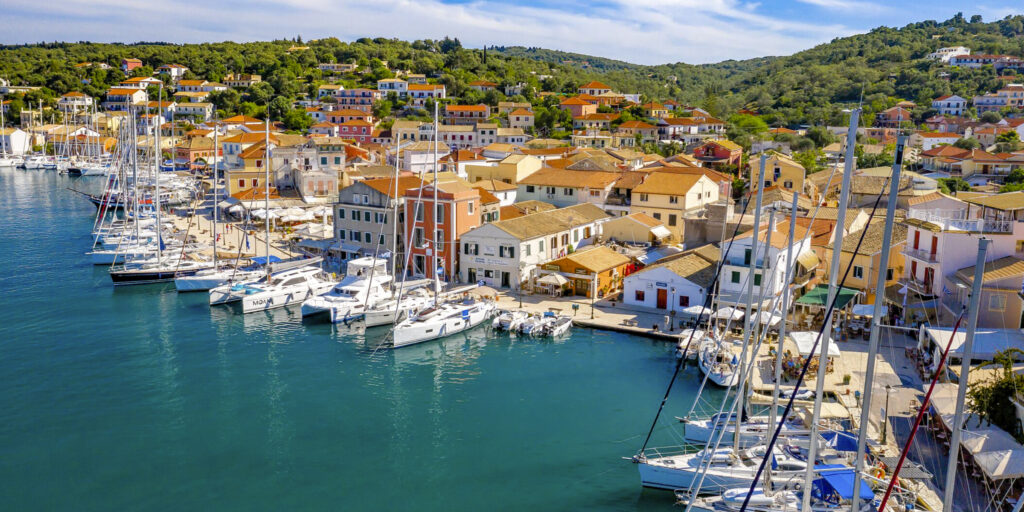
Maritime activity adds vitality to these destinations. Bustling ports, colorful fishing boats, and ferries traversing the water create a lively environment that contrasts with the calm of early morning tides or quiet beaches. Observing the ebb and flow of maritime life provides insight into the economic and cultural significance of the sea for these cities. In some locations, historic harbors have transformed into entertainment districts with restaurants, shops, and cultural attractions, preserving history while catering to contemporary tourism.
Accessibility and transportation often enhance the appeal of coastal cities. Ferries, water taxis, and walking paths make it easy to navigate waterfronts and nearby islands. Many cities offer opportunities for short excursions or day trips to nearby towns, beaches, or natural reserves. Planning visits with awareness of local schedules and connections allows travelers to maximize both convenience and discovery.
Seasonal variations can also shape the experience. Some cities are vibrant during festivals or peak tourist seasons, while others offer quieter charm in the off-season. Understanding weather patterns, tides, and peak visitor periods helps travelers choose the right time to visit and ensures the most enjoyable experience. Coastal cities reveal different facets depending on the time of year, whether it is the calm of winter light or the energy of summer festivals.
Walking through waterfront districts is often one of the most memorable ways to engage with these cities. Narrow streets, harbor promenades, and cliffside paths reveal perspectives that larger sightseeing tours cannot replicate. Travelers can pause to observe small details, interact with locals, or enjoy spontaneous discoveries along the way. This type of exploration encourages immersion and personal connection with the destination, turning sightseeing into a more meaningful experience.
For travelers who value both natural and cultural experiences, coastal cities offer an ideal balance. Scenic views, rich heritage, lively markets, and contemporary arts all coexist, creating destinations that engage multiple senses. Cruises, such as those exploring the coastlines of Japan, provide opportunities to visit several cities in one journey, allowing passengers to experience a range of landscapes, architecture, and traditions with ease and convenience. Each port becomes a window into a different story while maintaining continuity through the rhythm of life at sea.
Ultimately, the most beautiful coastal cities leave lasting impressions not only through what is seen but through what is felt. The interplay of land and water, history and modernity, activity and tranquility, creates an environment that is both dynamic and reflective. Travelers who explore these cities fully—observing architecture, engaging with culture, savoring cuisine, and immersing in the rhythm of the waterfront—return with a deeper appreciation for the diversity and character of life along the coast.
Whether wandering through centuries-old streets, observing the changing tides, or sampling regional flavors, visiting coastal cities offers a journey that combines relaxation, discovery, and cultural insight. These cities invite travelers to slow down, notice details, and embrace the unique character of each place. The lessons learned while moving through these vibrant harbors and serene waterfronts extend far beyond the journey itself, enriching travel experiences and inspiring future adventures.









Comments